Books
arrow_backBack

Already on your shelf

5 similar books you own: read these first?

Editions & prices

FormatISBNPublisher price
Ebook 9780197520932 —
Print 9780197520901 —

About this book

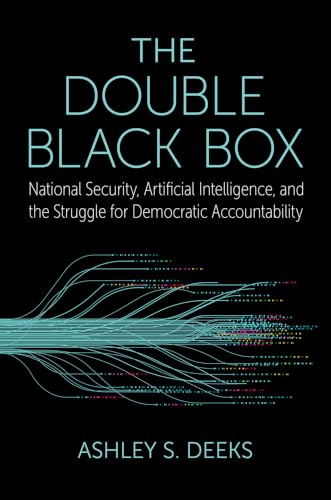
Abstract This book addresses a pressing challenge posed by artificial intelligence: its use may weaken democratic accountability for consequential U.S. national security choices, including war. To ensure that those choices adhere to the public law values of rationality, legality, and accountability, we rely on Congress and the courts, as well as foreign allies, whistleblowers, and even U.S. technology companies. But their work is hindered by the classified, “black box” nature of the Executive’s national security decision-making. The rise of AI systems to enhance national security decision-making—or even make autonomous decisions—deepens this critique, because it is difficult to understand how AI algorithms, often described as “black boxes,” reach their conclusions. How can we be confident that these AI systems comport with our laws and values? The widespread use of AI inside the national security ecosystem renders U.S. national security choices even more opaque to the public, congressional overseers, U.S. allies, and even the officials making the decisions. This “double black box” raises critical challenges for democratic accountability. Because China is committed to becoming the world leader in AI and faces fewer legal and values-based constraints in its pursuit of military AI, democracies’ commitment to using AI in lawful and ethical ways will be tested. This book defines and explores the double black box phenomenon and then identifies ways that policymakers, military and intelligence officials, and lawyers in democratic states such as the United States can reap the advantages of advanced technologies without surrendering their public law values.

Source: crossref · first seen 2026-11-24

Similar new books

not in your library