Books
arrow_backBack

Already on your shelf

5 similar books you own: read these first?

Editions & prices

FormatISBNPublisher price
Ebook 9780197696989 —
Print 9780197696941 —

About this book

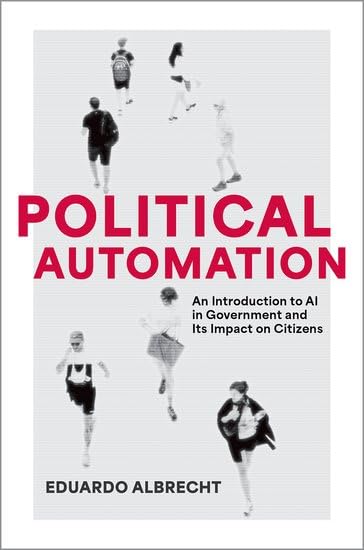
Abstract Governments, once staffed exclusively with human bureaucrats, now routinely use AI-based software to gather information about citizens and make decisions that impact their lives. In many nations, AI determines the level of privacy a person can enjoy, how far they can travel, what public benefits they may receive, and what they can and cannot say publicly. This amounts to a phenomenon of political automation rapidly materializing globally and begs the question: What input do citizens have in how these machines think? The book explores this question in various domains—including policing, national security, and international peacekeeping. Via interviews with individuals active in civil society groups across several geographic contexts, the book seeks to achieve an understanding of popular attempts to interact with this novel form of algorithmic governance. It emerges that if citizens wish to have rights and representation in a future increasingly characterized by political automation, then a new institution is needed. The book proposes the idea of a Third House, a virtual chamber that legislates exclusively on AI in government decision-making and is based on principles of direct democracy. Digital citizens, AI powered replicas of ourselves, would act as our personal representatives to this Third House a virtual chamber that legislates exclusively on AI in government decision-making and is based on principles of direct democracy, unlike existing upper and lower houses that are representative. Digital citizens, AI powered replicas of ourselves, would act as our personal emissaries to this Third House. Deploying political automation without such an institution will result in the gradual sunsetting of participatory systems of government, and perhaps of yet more significant concern, the start of an era in which citizens, having abdicated governance in favor of AI without clear mechanisms for oversight, find they no longer need to trust their conscience on matters of public policy.

Source: crossref · first seen 2026-11-24

Similar new books

not in your library