Books
arrow_backBack

Already on your shelf

5 similar books you own: read these first?

Editions & prices

FormatISBNPublisher price
Ebook 9780197817131 —
Print 9780197817094 —

About this book

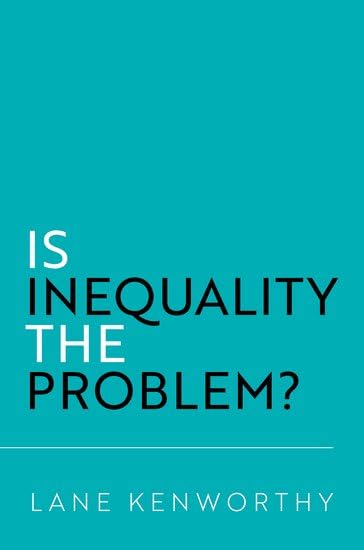
Abstract To a host of thoughtful observers, economic inequality is one of our most important problems and needs to be fixed. Concern about inequality’s injustice has been overtaken by worry that inequality has harmful consequences for a host of things we care about. What does the experience of the rich longstanding-democratic nations in the era of rising inequality from 1979 to 2019 tell us? The evidence offers little support for inequality-is-harmful hypotheses. Reducing income inequality isn’t likely to boost economic growth or living standards. It probably won’t do much to equalize political influence. It’s unlikely to help much with equalization of economic opportunity. It probably won’t make much difference for our health. And it’s doubtful that it will facilitate a rise in happiness. Instead of trying to improve living standards, democracy, opportunity, health, and happiness indirectly via reduction in income inequality or wealth inequality, we’re more likely to make progress by pursuing these goals directly. Because inequality reduction would enhance fairness, has public support, is achievable, and is likely to come with few if any tradeoffs, policymakers should include it as one of the goals they pursue. But it doesn’t need to be a top priority.

Source: crossref · first seen 2026-11-24
Similar new books

not in your library