Books
arrow_backBack

Already on your shelf

5 similar books you own: read these first?

Editions & prices

FormatISBNPublisher price
Ebook 9780198957089 —
Print 9780198957058 —

About this book

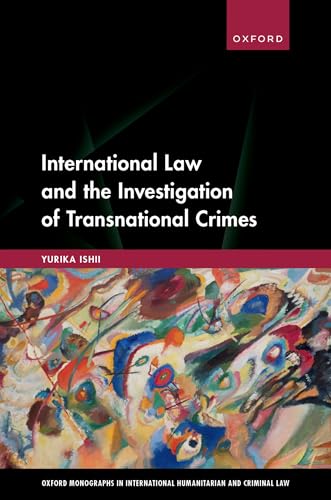
Abstract This book examines the methods that States use to investigate transnational crimes and criticizes the conventional understanding of international cooperation in criminal matters. Obtaining information and evidence abroad is the main challenge of suppressing transnational crimes. Law enforcement mechanisms have evolved with the globalization of markets and the digitalization of information. This book argues that such mechanisms rely primarily on the consent of other States and private entities, such as financial institutions and communications service providers. States formally and informally agree with other States where the information is located through instruments covering non-criminal matters, including administrative agreements, for criminal proceedings. Jurisdictional conflicts between investigating States and those with strict restrictions on corporate information disclosure to foreign governments, such as bank secrecy and privacy laws, have decreased. These mechanisms may harm individual rights under criminal procedural law, such as the right to a fair trial and exclusionary rules in cross-border investigations. The role of international human rights law is limited due to its decentralized nature. However, principles and norms are emerging to address this issue, though in a sporadic manner. This book is the first to comprehensively analyse these practices, offering readers a focused examination of the intersection between public international law, domestic laws, and transnational crime. This publication will make a valuable contribution to the emerging fields of public international law, international and transnational criminal law, international economic law, financial law, and international relations.

Source: crossref · first seen 2026-11-24

Similar new books

not in your library