Books
arrow_backBack

Already on your shelf

5 similar books you own: read these first?

Editions & prices

FormatISBNPublisher price
Ebook 9780197687994 —
Print 9780197687963 —

About this book

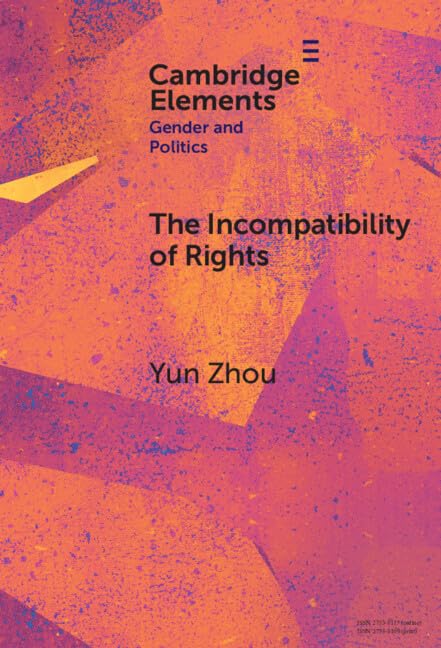
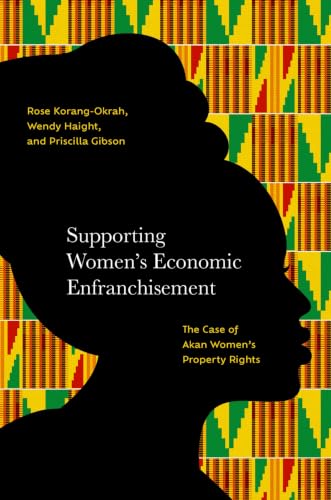
Abstract In this book, we address an international human rights issue—women’s economic enfranchisement, specifically their equal access to property—using Akan widows from Ghana as a case study. The insidious effects of European colonialism contribute to the devaluation of Akan women, beginning with gender roles imposed in childhood and continuing through inheritance practices that leave widows destitute. Our close examination of Akan widows in their everyday sociocultural contexts through ethnographic methods reveals the impact of property rights violations on the economic conditions and psychosocial, spiritual, and moral well-being of widows and their children. Despite progressive national laws, many Akan widows lose access to the homes and farms they shared with their husbands, leaving them and their children destitute. According to customary law, those properties belong not to individuals but to the husband’s maternal family line, of which his wife and children are not a part. Yet the Akan people are not without compassion, nor Akan women without resilience. Some community leaders and in-laws do assist widows and their children. In addition, some Akan widows do resist, persevere, and even thrive. Some gain peace through spiritual practices and stability through innovative economic ventures with other widows and allies, including international social workers. By deepening our understanding of the impact of property rights violations on women’s lives as well as the ways in which some communities support them and they actively resist such domination, we can extend the range of possible remedies to those who remain mired in challenges and in need of support.

Source: crossref · first seen 2026-11-24

Similar new books

not in your library