Books
arrow_backBack

Already on your shelf

5 similar books you own: read these first?

Editions & prices

FormatISBNPublisher price
Ebook 9780198947004 —
Print 9780198946977 —

About this book

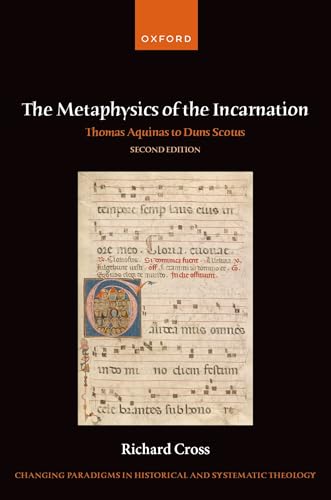
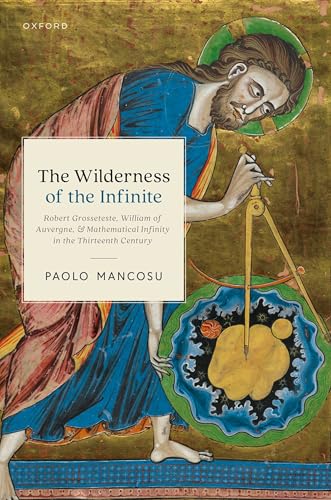
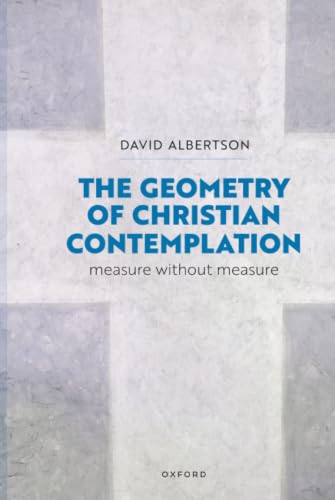
Abstract Many ancient and medieval Christian mystics were rediscovered in the twentieth century. But have modern assumptions about religious experience influenced how we hear those premodern voices? This book suggests a fresh approach to the history of mystical theology oriented toward exteriority more than interiority and toward the measurable world outside more than the invisible world within. The ancient Greek philosopher Plotinus taught contemplatives to close their eyes and withdraw into the soul. Most Christians followed his directions, but others dissented. In three critical episodes, an alternative model of Christian contemplation began to emerge: from Pseudo-Dionysius the Areopagite to the Byzantine monks who defended the icon to eccentric humanists in medieval Paris. Together, these episodes add up to a different theological aesthetics that can help us correct some imbalances in the modern study of mysticism. In the centuries before the scientific revolution and the secularization of nature, Christians still saw God in the exterior world, not only in the interior soul. God was not an ineffable and formless Absolute, immeasurable like the soul, but an infinite Measure who leaves behind geometrical traces in the figures of the world. The God who became a human body in the Incarnation not only entered time and matter but also spatial extension, and with it, the conditions of measure. Today, the wisdom of this countertradition can strengthen the study of mysticism and supplement contemporary fascination with negative theology by redefining what it means to name God positively.

Source: crossref · first seen 2026-11-24

Similar new books

not in your library